
Health tips
Practical, trustworthy advice for every stage of life, reviewed by a pharmacist and based on official health sources.



All health tips
Planning a pregnancy together: nutrition for both partners
Preparing for a baby is a job for two. What the NHS advises for her, which nutrients matter for him, and when to ask for help.Women’s daily nutrients: what your body asks for
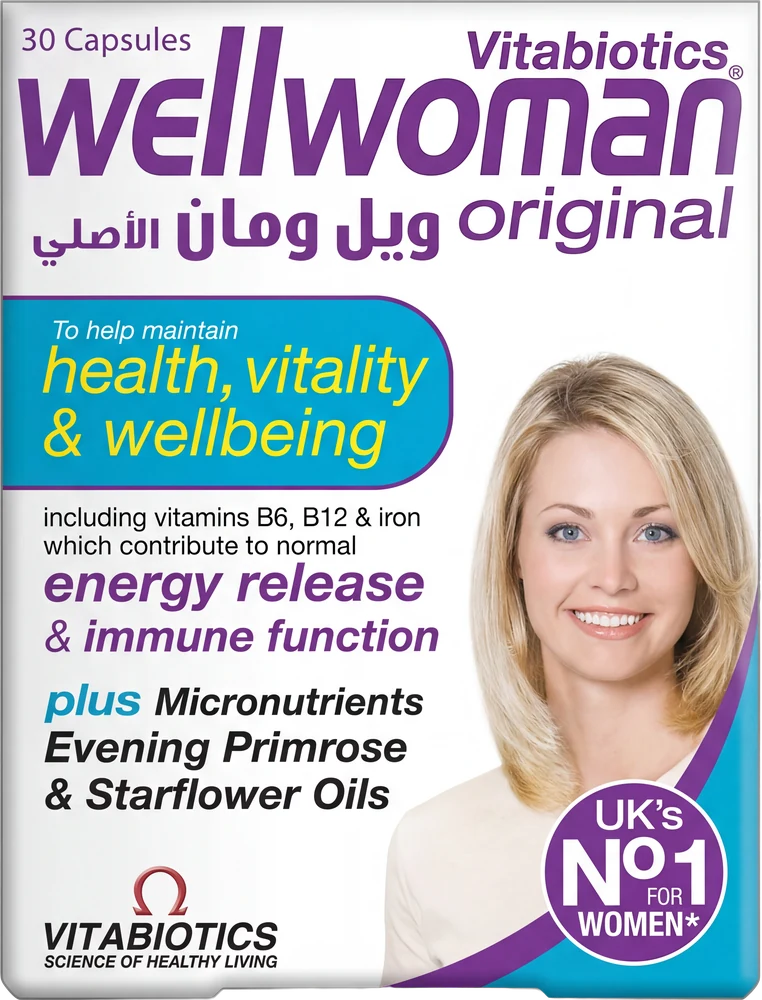
Periods, a possible pregnancy and long-term bone health all shape what women need. Iron, folic acid, B vitamins and vitamin D, explained simply.Menopause: looking after yourself through the change
Hot flushes, poor sleep and faster bone loss. What the NHS suggests you can do yourself, the nutrients that matter for bones, and when to see a doctor.Men’s vitality: the nutrients behind a busy life
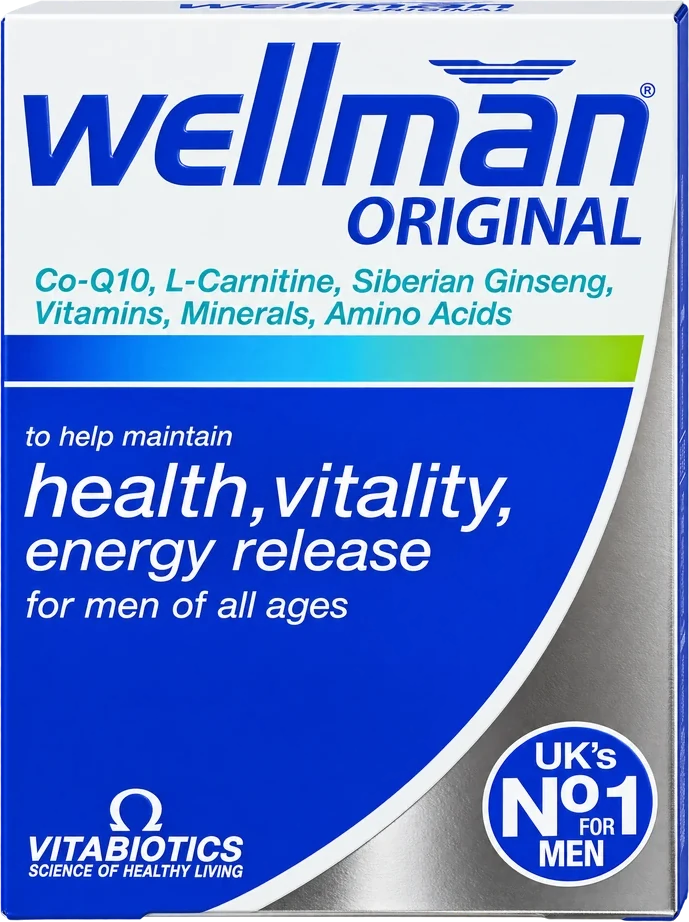
Long working days, meals on the go and too little sleep. Which nutrients matter most for men, and the habits that count even more.Vitamins for babies and children: what the guidance says
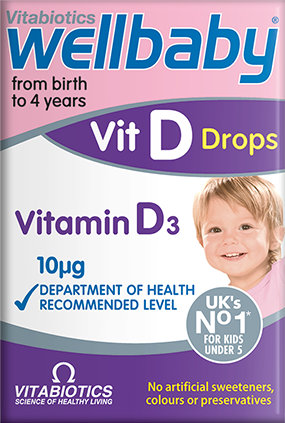
Vitamin D drops from birth, vitamins A, C and D for under-fives, and why the child’s doctor always has the final word.Calcium and vitamin D: why neither works alone
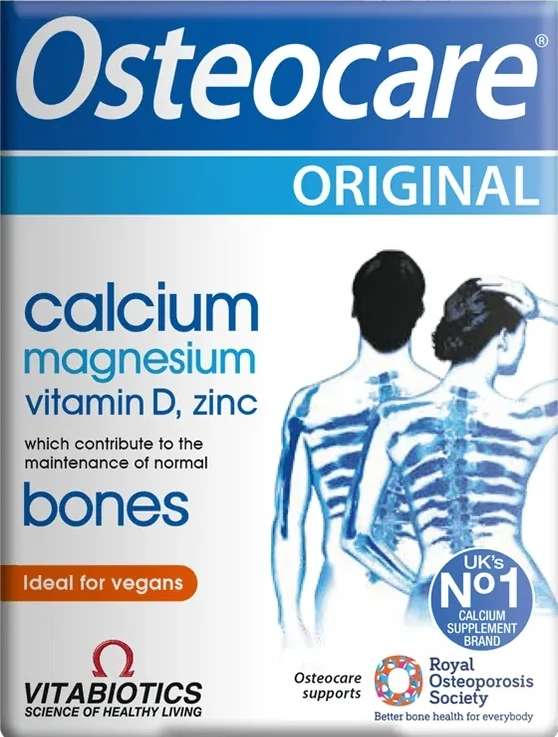
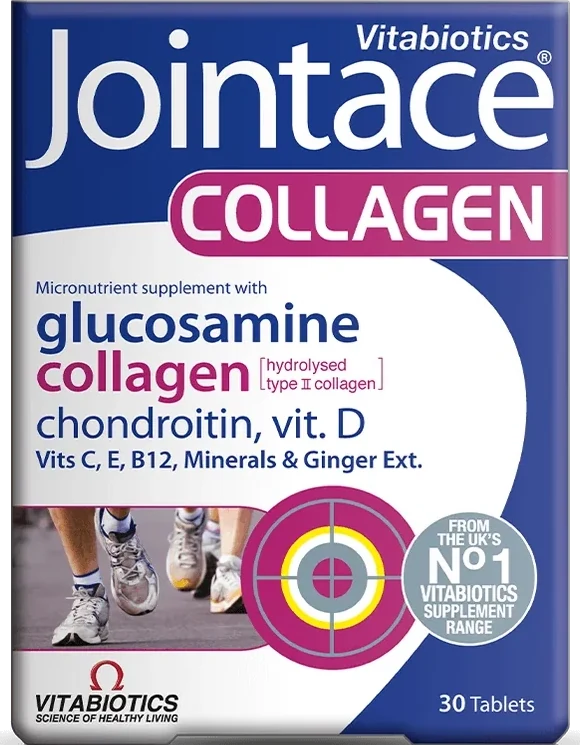
Vitamin D contributes to the normal absorption of calcium. How to choose a supplement that combines them, and when it matters.Joint care as you age: movement first, nutrition alongside
Stiff knees are common with age, but daily habits make a real difference. What helps, which nutrients matter for cartilage, and when to see a doctor.Hair, skin and nails: beauty that starts on your plate
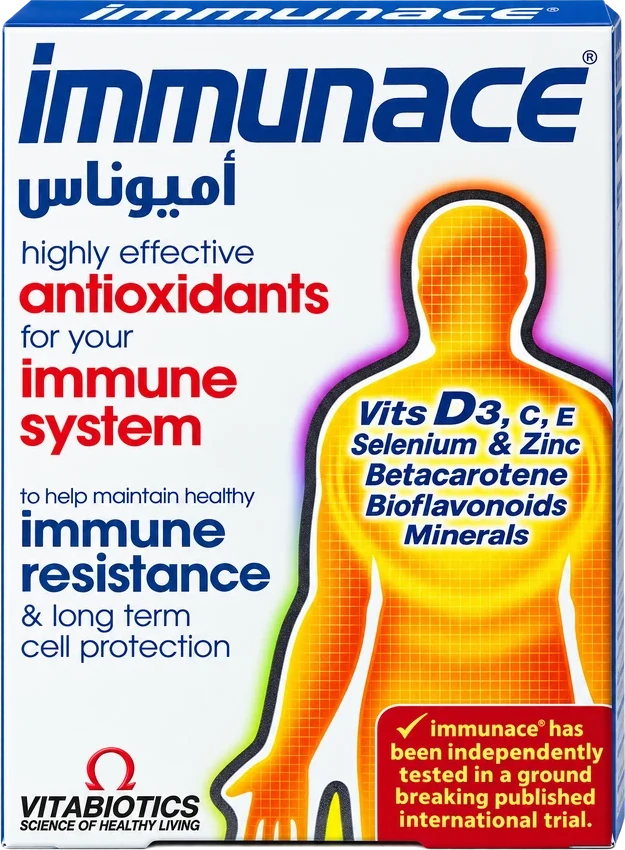
Hair, skin and nails renew themselves constantly, and they need the right nutrients to do it. Which ones matter, and when hair loss needs a doctor.Immunity basics: zinc, vitamin C and the habits that matter
The immune system depends on a whole team of nutrients. How much zinc and vitamin C you need, where to find them, and when an infection needs a doctor.Iron deficiency: the signs worth paying attention to
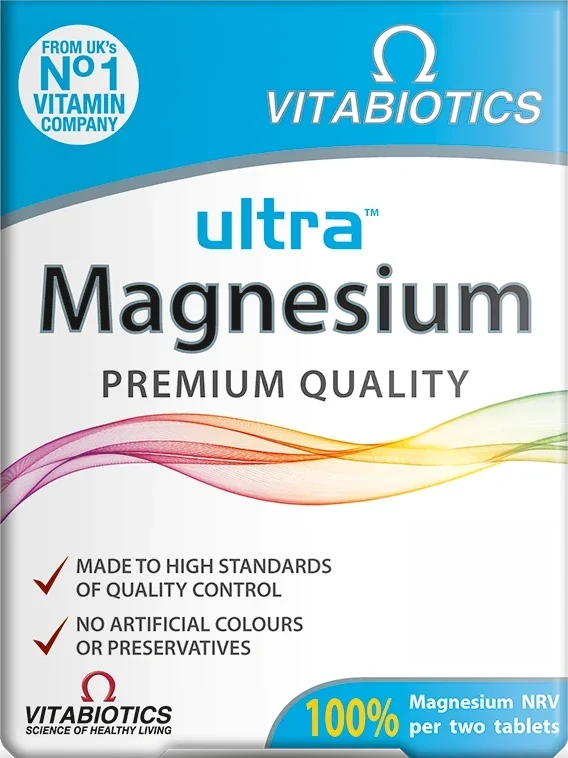
Persistent tiredness and pale skin can be more than fatigue. When to see a doctor, and how to take iron without upsetting your stomach.Magnesium: muscles, nerves and the truth about sleep
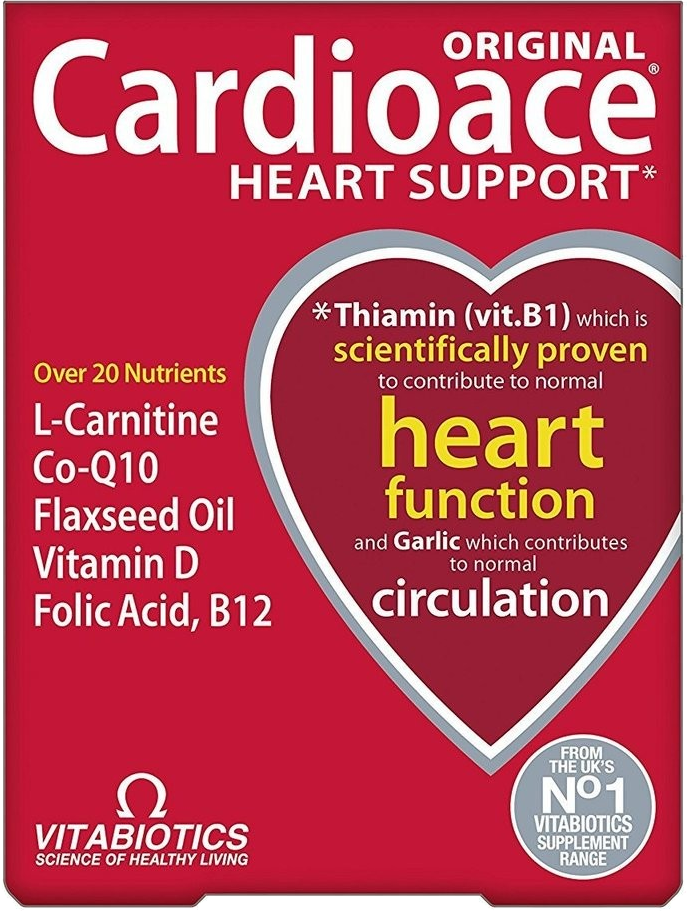
What magnesium really does, how much you need, and what the evidence does — and does not — say about sleep.Heart health: everyday habits and the nutrients involved
The WHO says most heart disease can be prevented by tackling everyday risk factors. What to put on your plate, which nutrients play a part, and why supplements never replace heart medicines.Blood sugar and chromium: what to know
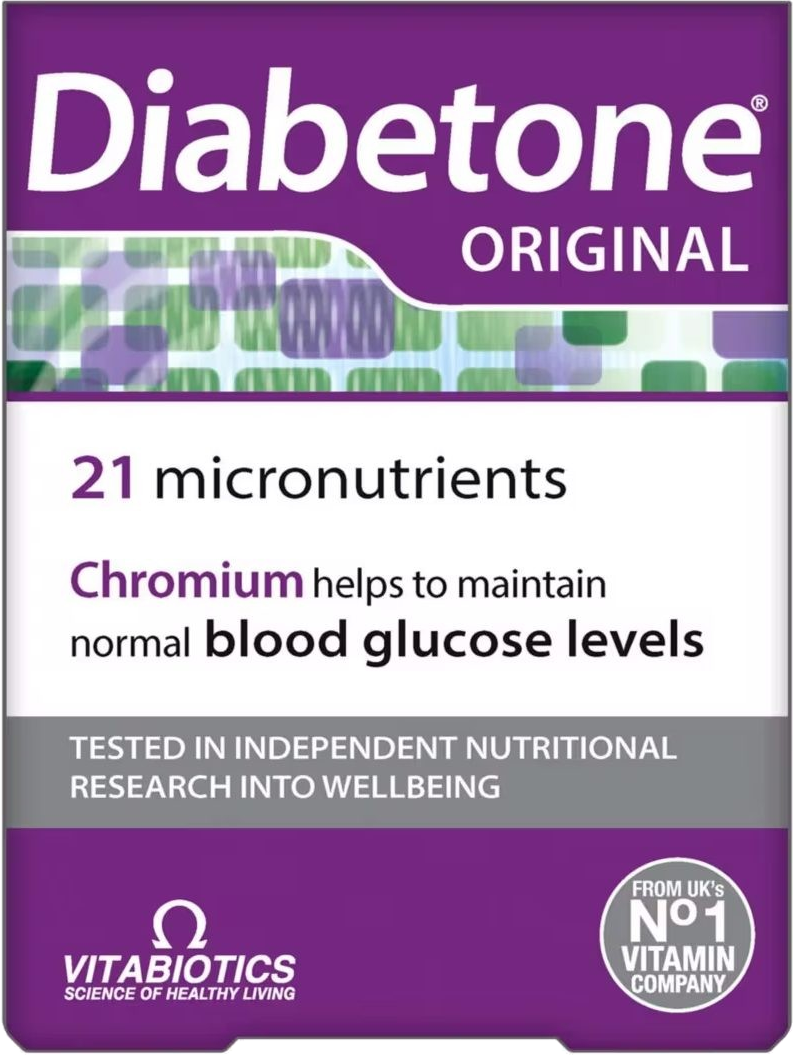
Chromium contributes to the maintenance of normal blood glucose levels. How it fits alongside diet and activity, the signs worth checking, and why it never replaces diabetes treatment.Vitamin D in a sunny country: why sunshine is not always enough
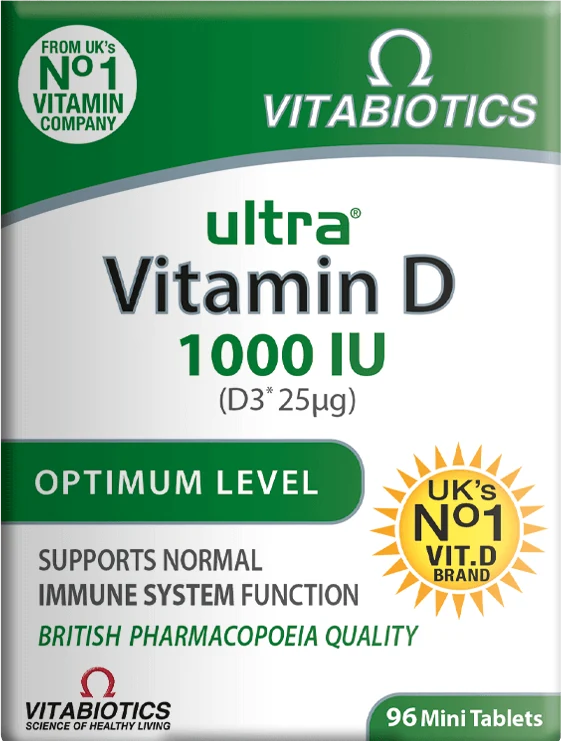
Iraq has plenty of sun, yet covered skin, indoor days and the midday heat mean many people still make too little vitamin D. What the NHS advises.Eye health: nutrients, screens and regular checks
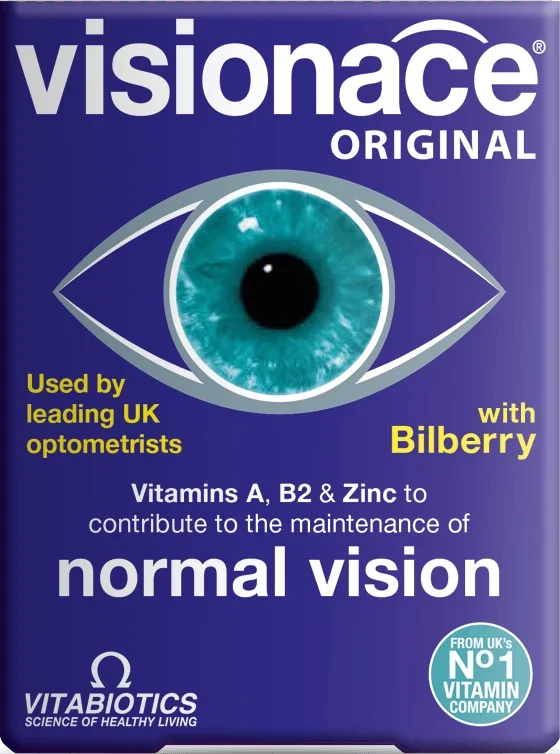
Our eyes work from the moment we wake until we sleep. The nutrients that contribute to normal vision, daily habits that help, and the warning signs not to ignore.How to take supplements: timing, doses and common mistakes
A supplement only helps if it is taken the right way. Food first, following the pack, not doubling up, and telling your doctor and pharmacist what you take.


This information is for general education and does not replace advice from your doctor or pharmacist.