

Why the first weeks matter most
Folate is a B vitamin, and folic acid is the form used in supplements. Folate contributes to maternal tissue growth during pregnancy. Supplemental folic acid increases a mother’s folate status, and low maternal folate is a risk factor in the development of neural tube defects in the developing baby.
The neural tube forms very early, often before a woman knows she is pregnant. That is why the advice is to start before conception, not after a positive test.
When to start and how much
The NHS recommends 400 micrograms of folic acid every day while you are trying to get pregnant — ideally from 3 months before — and for the first 12 weeks of pregnancy.
- Start before conception if you can.
- If your pregnancy was unplanned, start as soon as you find out.
- Take it every day until at least the end of week 12.
Some women need a higher dose
The NHS advises a higher, prescription-only dose of 5 milligrams for some women. Only your doctor can decide this, so tell them early if any of the following apply:
- You, your partner or a close relative has had a neural tube defect, or a previous pregnancy was affected.
- You have diabetes.
- You have a blood condition such as sickle cell anaemia or thalassaemia.
- You take medicine for epilepsy or HIV.
Food, vitamin D and what to avoid
Keep eating folate-rich foods such as leafy greens, broccoli, chickpeas and lentils, but food alone is not relied on for this nutrient in early pregnancy. The NHS also recommends 10 micrograms of vitamin D a day in pregnancy.
Do not take supplements containing vitamin A (retinol) or fish liver oil while pregnant, and avoid liver and liver products, because too much vitamin A can harm the baby’s development.
Choosing a supplement
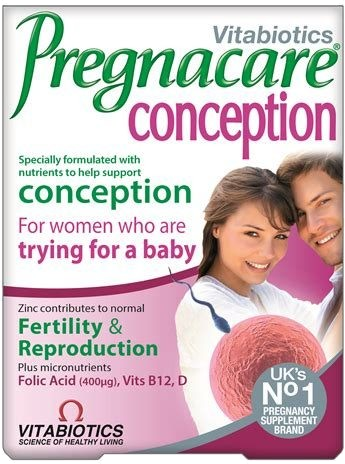
A pregnancy formula such as Pregnacare provides 400 micrograms of folic acid alongside other nutrients chosen for this stage, so you do not need a separate folic acid tablet as well. Take one pregnancy multivitamin, not two, and show your doctor or pharmacist everything you take.
This information is for general education and does not replace advice from your doctor or pharmacist.
Sources
We cite public health authorities only.