
What iron does
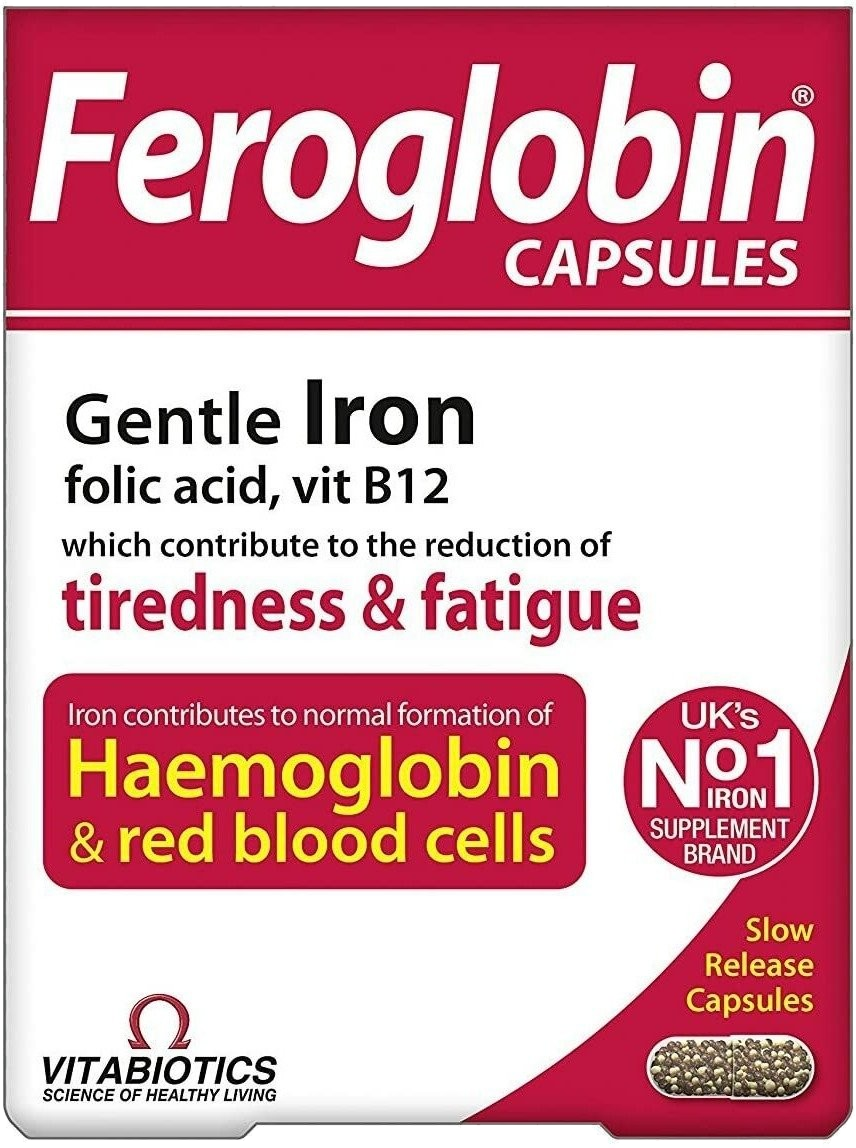
Iron contributes to the normal formation of red blood cells and haemoglobin, and to normal oxygen transport in the body. It also contributes to the reduction of tiredness and fatigue and to the normal function of the immune system.
Signs worth noticing
According to the NHS, the common symptoms of iron deficiency anaemia are:
- Tiredness and a lack of energy.
- Shortness of breath.
- Noticeable heartbeats (palpitations).
- Pale skin.
Who is more likely to be low
The NHS names heavy periods and pregnancy as very common causes. Conditions that cause blood loss, such as a stomach ulcer, can also be behind it — which is why the cause always needs to be found.
These symptoms have many possible causes. A simple blood test is the only way to know, so see your doctor rather than guessing.
Iron on your plate
Good sources include red meat, beans and lentils, nuts, dried fruit such as apricots, and dark green leafy vegetables. Vitamin C increases iron absorption, so pairing these foods with fruit or salad is a simple habit.
Taking iron comfortably and safely
Higher doses of iron can cause constipation, feeling sick or stomach pain. The NHS notes that 17mg a day or less from supplements is unlikely to cause harm; anything above that should follow your doctor’s advice. If iron upsets your stomach, ask your pharmacist about timing or a gentler form such as Feroglobin capsules or syrup.
Very high doses of iron can be fatal to children, so always keep iron supplements out of their reach.
This information is for general education and does not replace advice from your doctor or pharmacist.
Sources
We cite public health authorities only.